monarchmedia100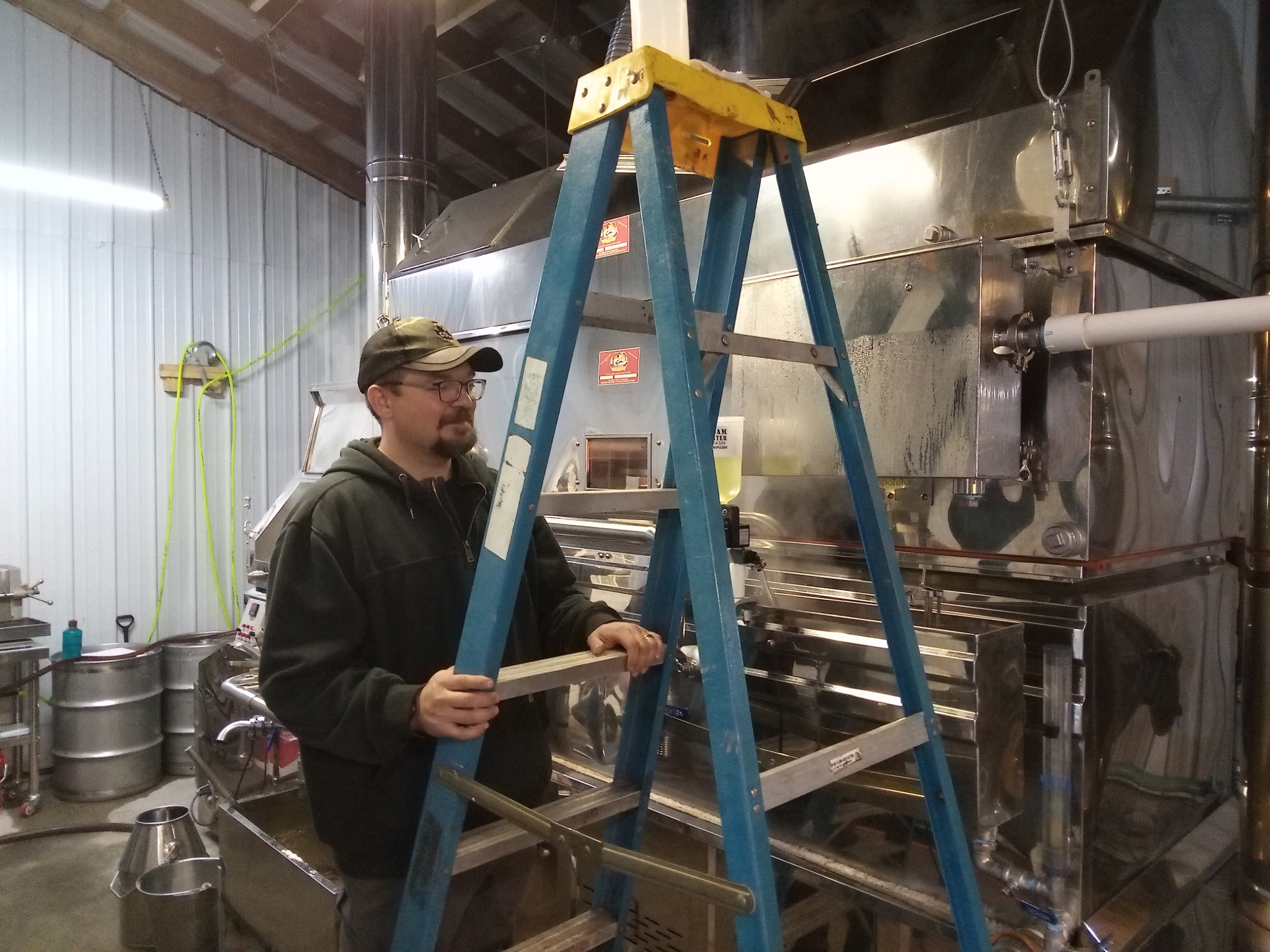

Bert Ianson Maple Weekend 2026
Monarch Media
By Jessica Kenley
COUDERSPORT, Pa. — On Saturday, March 21 at 10 a.m., the 22nd annual Maple Weekend officially got underway, with 16 sugar houses participating across Potter and Tioga counties. Among the local producers welcoming visitors was the Sons of Dunn Family Farm, where generations of dedication—and thousands of maple taps—tell a story of growth rooted in hard work and family tradition.
Although the Dunn family missed the very first Maple Weekend more than two decades ago, they have been a staple of the event ever since. Glenn Dunn II traces the origins of the operation back to his time as a student at Coudersport Jr./Sr. High School, where a Future Farmers of America (FFA) project in 2004 sparked what would become a lifelong pursuit.
“We had a little dairy operation, and then in ’09 we turned this barn into a sugar house,” Dunn said. “We started with a couple hundred taps, and now we’re into about 4,400 to 4,500 taps. We’ll finish today with over 1,000 gallons of syrup, and we’re thankful for every drop we get.”
This year’s maple season has been anything but typical. Dunn described recent weather in Potter County as “wild,” but noted that fluctuating temperatures have actually extended the tapping season.
“We’re still making syrup as of right now,” he said. “We’ll take everything we can get.”
However, the extended season comes with added challenges. Rising fuel costs—especially diesel—have put pressure on operations that rely heavily on machinery.
“That’s definitely affected how far we want to push it,” Dunn explained.
According to AAA and GasBuddy data, the average price for regular gasoline in Pennsylvania rose from approximately $2.90 per gallon in January 2026 to $3.88 by March 20. Diesel fuel has seen an even sharper increase, climbing from around $4.06–$4.10 per gallon at the start of the year to roughly $5.67, with some Potter County stations nearing $5.80 during peak volatility.
Industry experts point to global shipping disruptions, winter heating demand, and supply constraints as key drivers behind diesel’s steep rise—impacts that are felt more acutely in rural areas where transportation costs are higher and competition is limited.
Back inside the sugar house, Dunn walked visitors through the syrup-making process. At the center of the operation is a reverse osmosis (RO) machine, which he called “the true workhorse of any maple operation.” The system removes up to 85 percent of the water from sap before it reaches the evaporator, significantly reducing the time and fuel needed to produce syrup.
From there, the sap is boiled down in an evaporator until it reaches the rich, amber consistency maple syrup is known for.
Despite the long hours and demanding labor, Dunn remains proud of how far the farm has come.
“We’ve sold in 48 states so far and made a lot of good friends along the way, which is a far cry from where we started,” he said. “Lots of blood, sweat, and tears go into this work, and we really only get paid pennies on the hour.”
The Dunn family effort extends well beyond Glenn. His wife, Ashlynn, described the evolution of the farm from a modest setup into a modern operation.
“They had 200 buckets running on gravity, and now we have about 4,400 taps, and everything runs on vacuum,” she said. “There’s four separate sugar bushes producing. We all work full time, so this is our secondary job. We try to get the RO running during the day, then come home and boil sap so we can spend time together—it’s a good family business.”
A sugar bush refers to a forest stand of maple trees managed specifically for sap collection, often connected by tubing systems that transport sap downhill to a central location.
The next generation of the Dunn family is already carrying the tradition forward. Alissa Dunn, a 2024 graduate, developed her own maple-related initiative through her agricultural studies, taking part in competitions, organizing tours, and helping secure grant funding to expand educational outreach.
“My sister Olivia took it over after I graduated, and she’s been working with our ag teacher to continue it,” she said.
Younger family members are involved as well. Vivian Dunn helps tap trees and sell syrup, contributing wherever she can.
Maple products at the farm go far beyond syrup. Alissa’s personal favorite is maple barbecue, while Ashlynn has recently embraced maple mustard.
“We put it pretty much on everything,” Ashlynn said with a smile. “It’s a game changer.”
Outside of maple season, the Dunns stay busy with additional ventures, including a food truck called God’s Country Kettle Corn, offering treats like lemonade, cotton candy, and milkshakes.
This year, the farm also hosted the Pennsylvania WoodMobile, a 34-foot mobile educational trailer funded through the Lumber Heritage Region. The traveling exhibit highlights the state’s hardwood industry and teaches visitors about sustainable forestry practices and the role of sugar maples in syrup production.
“It’s super cool,” Ashlynn said. “They go to different events, and we were fortunate enough to host them this year.”
The Dunn family’s involvement in the maple industry extends statewide, with participation in events such as the Lake Erie Maple Expo, Northwest PA Taste & Tour, and numerous festivals—including the upcoming 58th Annual Coudersport Maple Festival, scheduled for May 1–2.
From a high school agriculture project to a multi-generational enterprise with thousands of taps, the Dunn Farm stands as a testament to perseverance, adaptability, and community spirit—values that continue to define Maple Weekend across the region.
As Maple Weekend continues, the Dunns encourage visitors to explore neighboring sugar houses, including the Ianson family operation just up the road, for even more maple-inspired experiences.
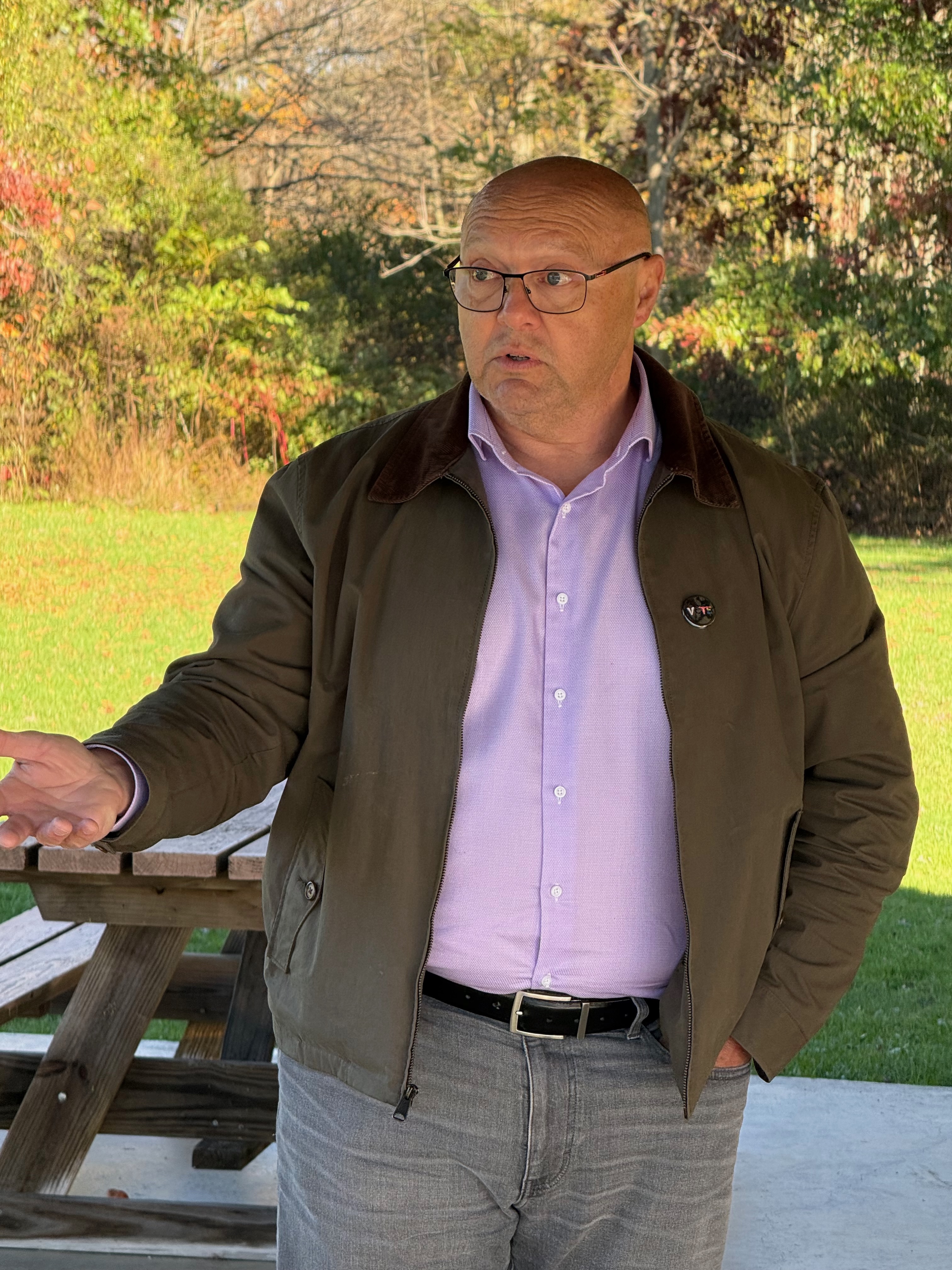
On the Ianson Farm, Bert Ianson told me that his grandparents were farming this land 35-40 years ago, but the predates even that. Ianson proudly recalled that the farm has been there, “Since before Coudersport was Coudersport,” and may have roots back to the 1800s. This farm produces products like lollipops, barbecue maple products, maple cream that “can be put on almost anything,” maple sugar, and maple candy.
Ianson briefly showed me the ropes while explaining different equipment, like the metal spiles that are used to tap the trees. They then are connected to tubing, which empties into a collection tank. When the syrup gets to the sugar house, it’s loaded into a 5,000 gallon bulk tank, which used to be a crucial part of a milk truck, but was modified to store maple syrup.
Similar to the Dunn farm, the Ianson farm also uses the process of reverse osmosis to separate the water from the syrup. The steam is heated to 180F degrees, and according to Ianson, the product after this treatment is “crystal clear.” Then a filter press takes out the sugar sand, and a sample of each of these runs is kept for reference by the color of the syrup.
As Maple Weekend draws visitors from near and far, farms like the Dunn and Ianson operations offer more than just a taste of locally made syrup—they provide a window into a way of life shaped by resilience, innovation, and deep-rooted family traditions. From the steady drip of sap in the woods to the rising steam inside the sugar house, each step reflects generations of knowledge and a commitment to keeping these practices alive. In Potter and Tioga counties, maple production is more than an industry—it is a shared heritage, one that continues to bring communities together, season after season.
For more information, go to: