 monarchmedia100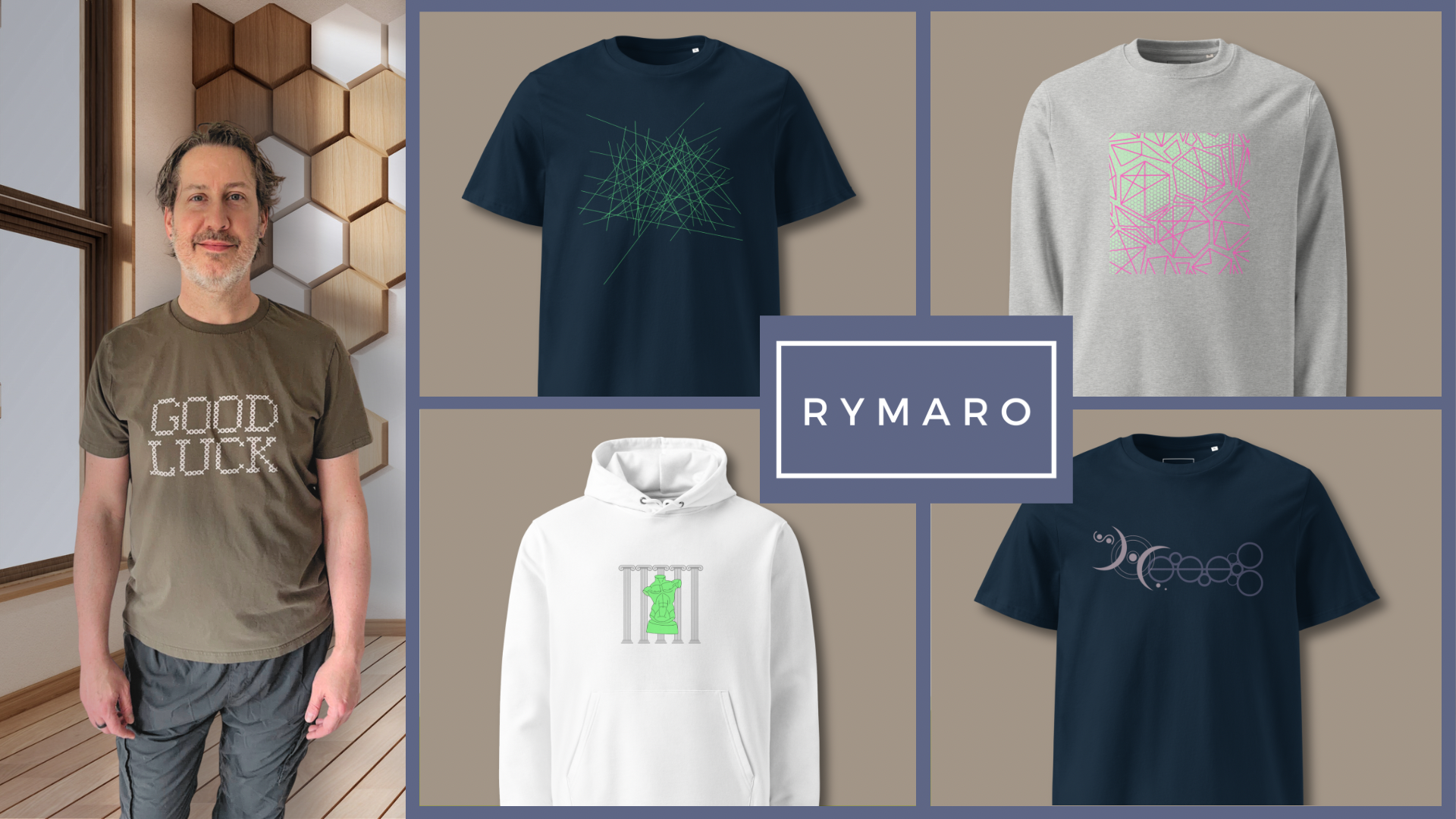
By Jessica Kenley
COUDERSPORT – In a world increasingly dominated by fast fashion and disposable trends, one online clothing brand is proving that style and sustainability can go hand in hand.
Ryan Crosby, 47, is the founder and creative force behind Rymaro Apparel, a sustainable, organic online clothing store that is quietly gaining traction. Since launching in June 2023, Ryan has built a business rooted in environmental responsibility, creativity, and flexibility—without the burden of overhead or excess inventory.
Rymaro Apparel offers gender-inclusive sizing, free shipping, and products made with vegan dyes and embroidery. Every item is made to order, eliminating unnecessary waste while allowing customers to personalize their clothing or choose from a range of thoughtfully designed pieces, including T-shirts, hoodies, beanies, and more.
For Ryan, sustainability isn’t just a marketing angle—it’s a personal mission.
“Coming of age in the time that I did, it’s hard not to be aware of climate change and its impact on the environment,” Ryan said. “Fashion is one of the biggest contributors.”
He’s right. According to the United Nations Framework Convention on Climate Change, the fashion industry accounts for an estimated 8 to 10 percent of global carbon emissions—more than international aviation and shipping combined. Much of that impact stems from energy-intensive production, synthetic materials, and the rapid cycle of consumption and disposal fueled by fast fashion.
Ryan points to brands like Temu and Shein as examples of how clothing has become increasingly disposable.
“It’s wasteful,” he said. “When people think, ‘I only paid 99 cents for this, so it’s okay,’ it changes how we value what we wear.”
Before launching Rymaro, Ryan worked in the travel industry and managed a robust sustainability program at a hotel in Seattle. In early 2023, while looking for a way to generate additional income, he began experimenting with design concepts. From the start, he knew any business he pursued had to align with his environmental values.
That search led him to the print-on-demand model—a system that allows products to be created only after a customer places an order.
“When someone orders a T-shirt I’ve designed, it goes through a third-party fulfillment company,” Ryan explained. “They print and ship everything for me. I don’t have to keep inventory.”
Rymaro partners with Printful, a company that offers garments made from 100 percent organic cotton, recycled polyester, or blends of the two. The model not only reduces waste but also gives Crosby the freedom to test new designs without upfront investment.
“It’s a beautiful thing,” he said. “There’s no extra inventory sitting around that I have to sell at a loss or send to a landfill.”
Looking ahead, Ryan is even exploring the use of hemp—what he calls a “miracle crop”—as a future material for his products.
Despite the advantages of the business model, building a brand from scratch hasn’t been without its challenges.
“It has been difficult breaking into apparel as an unknown name,” Ryan admitted. “But I’m very committed to this project. It’s been a crucial creative outlet for me.”
That passion shows in every aspect of the brand. Ryan handles everything himself—from design and business operations to social media and customer engagement.
“I’m the creative force, the business person, the social media manager—I do everything,” he said. “It makes me happy and gives me a sense of pride.”
Rymaro’s aesthetic reflects Ryan’s vision: bold yet minimalistic designs that feel timeless and refined, paired with high-quality, ultra-soft fabrics. The result is a premium take on graphic apparel that stands apart from the mass-produced feel of fast fashion.
Customer response so far has been overwhelmingly positive, with strong reviews and growing interest. Ryan also offers custom design services, giving customers the opportunity to bring their own ideas to life through sustainable apparel.
While he has explored the idea of opening a brick-and-mortar location, Ryan says the timing hasn’t been right. For now, he’s focused on growing the brand online and continuing to refine his approach.
“I feel very proud of the work I’ve put into this,” he said. “I just hope it continues to grow.”
As consumers grow more aware of the environmental cost behind what they wear, businesses like Rymaro Apparel are offering a different path forward—one where style doesn’t come at the planet’s expense. For Ryan, that balance isn’t just good business—it’s the future of fashion.
Rymaro Apparel can be found on Pinterest, Facebook, and Instagram, or by visiting their website to explore their latest designs and custom offerings at rymaro.com (website), @my_rymaro (instagram), and info@rymaroapparel.com (email address).