monarchmedia100
By Jessica Kenley for Monarch Media
November 18th, 2026
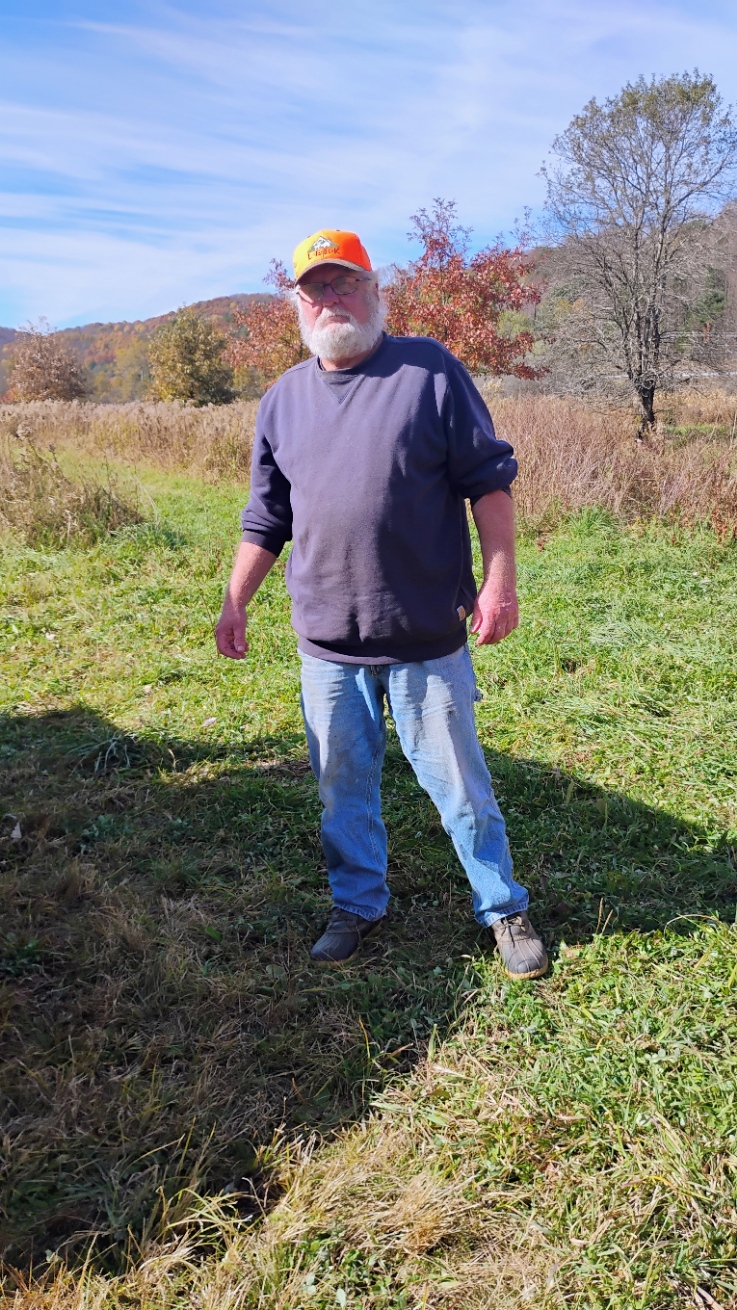
At 19 years old, most young men are just beginning to figure out who they are and what they want to become. For Lan Ketcham, however, adulthood arrived abruptly, in the form of a military draft notice and a trip halfway around the world to Vietnam.
“I got drafted when I was 19. Went to Vietnam,” he recalled.
There was little time to prepare for what awaited him. Ketcham was assigned to the infantry, where carrying a rifle and living in the jungle became part of everyday existence.
“It means I carried a rifle every day. We lived in a jungle two or three months at a time,” he explained.
To donate to the LEEK Preserve, scan here:

Life in the field was far removed from anything most Americans could imagine. Soldiers moved daily, often sleeping beneath makeshift shelters constructed from rain ponchos snapped together.
Even the food was a reminder of how far removed they were from ordinary life.
“The food we ate was packaged five years before I was born,” Ketcham said, explaining that some of their rations dated back to 1945.
But the conditions were only part of what a young infantryman had to endure. The danger was constant, and the losses could be devastating.
One particular night remains etched in Ketcham’s memory.
During the night of November 11-12, 1970, his unit suffered a devastating attack that left four soldiers dead and 13 wounded.
Ketcham was the soldier walking point — the one leading the way into potentially dangerous territory.
“I was the one that walked point down to where we slept and walked point to get the bodies out the next day,” he recalled.
He also described calling in airstrikes and the terrifying responsibility of returning to assess what had happened.
The men beside him were not simply fellow soldiers. They were friends, companions and brothers in circumstances few people would ever experience.
Asked whether he would visit the Vietnam Veterans Memorial in Washington, D.C., Ketcham gave an answer that said more than a lengthy explanation ever could.
“I won’t go to Washington, D.C., and see that wall. I got friends on that wall.”
For Ketcham, the names on that memorial are not just names. They represent people he knew, people with whom he shared the experience of war, and people who never made it home.
Coming home wasn’t the end of the battle
Ketcham served two years after being drafted, with 12 months spent in Vietnam. As the military reduced its numbers under President Richard Nixon, he was offered the opportunity to leave earlier than originally scheduled.
He returned to civilian life, but the transition was anything but simple.
“Bottom line, I was a child when I went in. I really was,” he said. “Got to grow up fast.”
At an age when many young men were still figuring out how to navigate adulthood, Ketcham had already experienced things that would follow him for decades.
He also encountered an unwelcoming reception from some people after returning home.
For years, he kept his military service largely to himself, sharing it only with family and close friends.
“Before that, I wouldn’t even tell anybody I was over there,” he said, explaining that it wasn’t until much later that he became comfortable talking about his experiences.
The psychological impact of Vietnam followed him home. Ketcham eventually received treatment for post-traumatic stress disorder (PTSD), including time in a specialized treatment unit.
He spoke candidly about the struggles he experienced, including periods of heavy drinking and using work as a way to keep painful memories at bay.
He spent much of his working life in jobs that allowed him to be alone, including driving trucks and working as a mechanic.
But understanding what was happening inside his own mind made a difference.
“I can’t change the past, okay. But now at least I know where it’s coming from,” he explained. Treatment, he said, helped teach him how to deal with those feelings as best he could.
Even now, certain times of the year can bring memories rushing back.
“That time of year is coming up now pretty soon,” he said. “All that stuff keeps coming back at this time.”
The passage of decades does not necessarily mean the memories disappear. Sometimes, they simply become something a person learns to carry.
Finding people who understand
For Ketcham, one of the most meaningful parts of his life today is the time he spends with fellow veterans and volunteers at the LEEK Preserve, alongside Ed Fisher and the LEEK crew.
He has been involved for nearly three years, finding his way there through another veteran he knew who introduced him to the VFW and helped connect him with the bear hunt.
Initially, Ketcham’s contributions were simple but important. He helped prepare food, get fires going and make sure hunters had somewhere warm to gather.
Last year, he became more directly involved with the hunting activities, transporting participants and helping with the logistics of the event.
He has also helped with other projects at the preserve, including preparations for this year’s activities.
During warmer weather, he regularly joins the volunteers on Thursday evenings and weekends, pitching in wherever he can.
But when asked what he enjoys most about LEEK, his answer wasn’t about the hunting, the food or the work.
“Just how much they do for the veterans,” he said.
He also appreciates the opportunity to see veterans come together, share their experiences and simply spend time with people who understand.
“I relate to veterans a lot better than, let’s say, normal people or whatever,” he explained. “They do.”
He recognizes that every veteran has a different story, different experiences and different memories. Not everyone experienced the same war or witnessed the same things.
Still, there is an understanding among them that can be difficult to find elsewhere.
“It’s like we all have different stories, and we talk,” he said.
For someone who spent so many years keeping his own experiences private, that connection is significant.
Different battles, a shared understanding
Ketcham has also found an unexpected connection with his brother-in-law, who was not a military veteran but experienced another kind of tragedy.
His brother-in-law was an ironworker in Manhattan and participated in the cleanup following the September 11 terrorist attacks. He later became one of the lead foremen involved in rebuilding the Freedom Towers.
That experience also left him with PTSD.
Ketcham sees a connection between the two of them, despite the very different circumstances that brought them to that point.
“We have the same disease but different causes,” he said.
The two speak regularly, sometimes every day. Because Ketcham lives alone, his brother-in-law also checks on him to make sure he is doing okay.
It is another example of the importance of having someone who understands that trauma does not always look the same, but its effects can be remarkably similar.
A brotherhood that makes a difference
At nearly 76 years old, Ketcham has lived through experiences that could have left him permanently disconnected from the world around him.
Instead, he has found a place where he can contribute, where his presence matters, and where he can spend time with people who don’t need lengthy explanations to understand some of what he has endured.
The LEEK Preserve offers him more than an opportunity to volunteer. It offers fellowship, purpose and the companionship of people whose lives have also been shaped by service.
When asked what he thought about the work being done there, Ketcham was enthusiastic in his agreement.
The value isn’t simply in bringing veterans together for an event. It’s in creating an environment where people can return, see familiar faces, share stories and know they belong.
Ketcham’s story is a reminder that military service doesn’t necessarily end when a soldier takes off the uniform. For some, the battles continue long after coming home.
And sometimes, healing begins when those who have carried those battles for years find a place where they no longer have to carry them entirely alone.
At LEEK, Ketcham has found some of that connection.
He may have arrived nearly three years ago through a fellow veteran and a bear hunt, but what keeps him coming back is something much deeper: the people, the purpose and the brotherhood.
Because some of the strongest bonds are formed not simply by what people have in common, but by what they have survived.
If you want to know more about LEEK and it’s mission, go to https://savaw.org/
Please donate generously by clicking here: